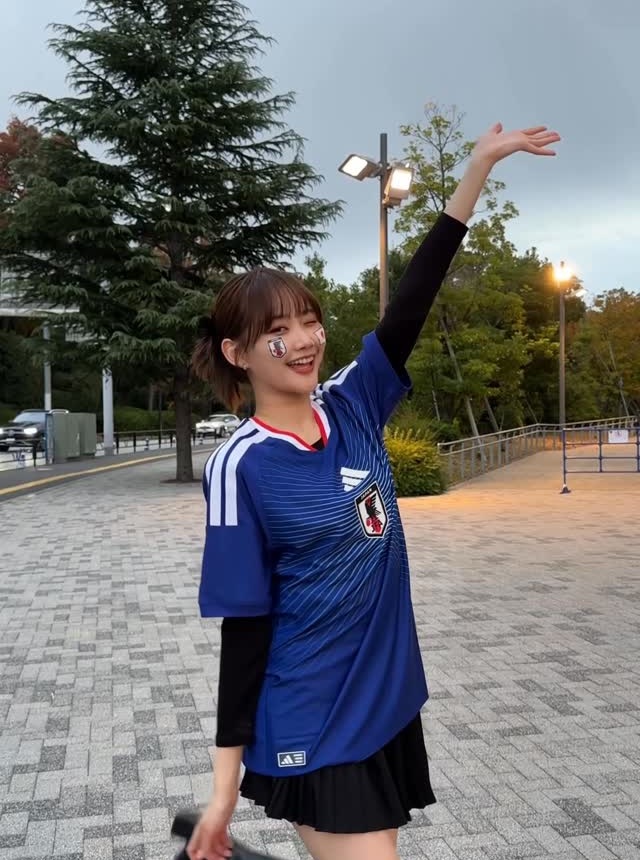
National-team colors usually begin with a flag. Japan’s football shirt does not. The flag gives red and white; the team’s modern memory gives blue.
That is why Japan Blue feels stronger than a simple color choice. It had to earn its place through qualifiers, Asian Cup nights, World Cup debuts, giant-killing wins, and a design language people actually wanted to wear.
The red shirt that did not stay
Japan did try the obvious route. Around the late 1980s and early 1990s, the national team wore red shirts that sat closer to the flag. On paper, it made sense. In memory, it never became the shirt most people associate with Japanese football.
The red period matters because it failed. It shows that Japan Blue was not inevitable from the start. The identity got stronger because the alternative existed, and then lost.
Blue became stronger through time
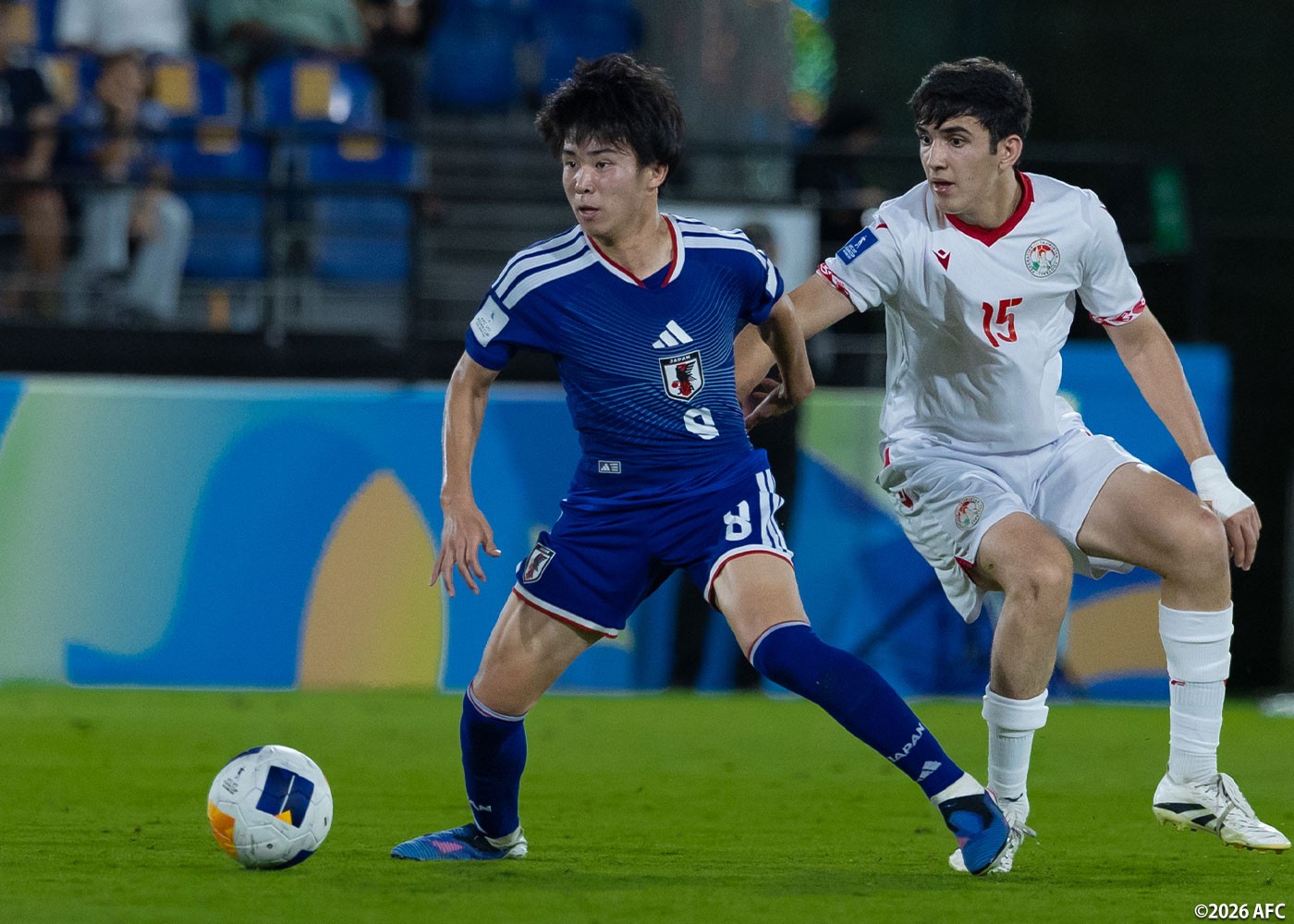
By the time Japan reached the World Cup in 1998, blue was already the visual center of the team. The 2002 tournament put it on a bigger stage. Later shirts changed collar, shade, pattern, and surface details, but the core message stayed stable: Japan plays in blue.
Why the design still feels modern
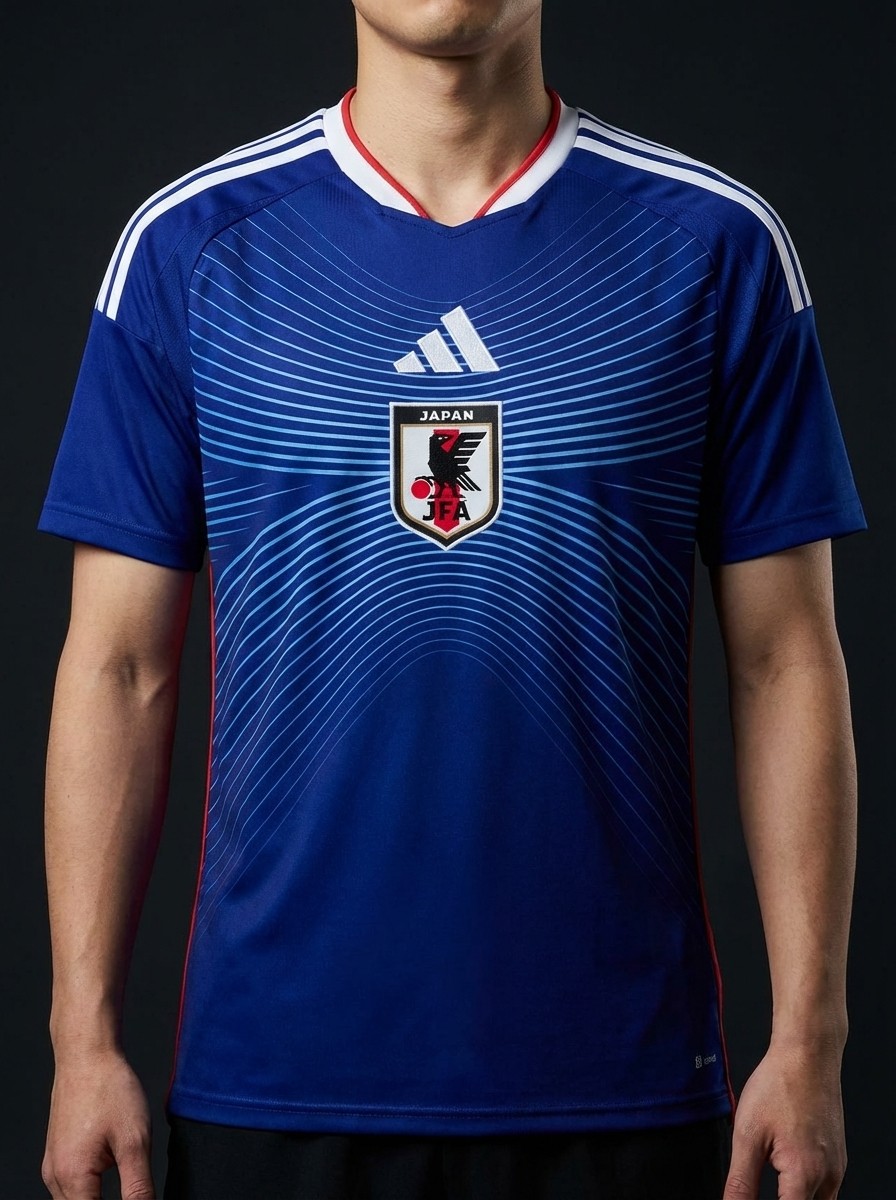
Japan shirts rarely look plain because the blue is rarely left alone. Designers add geometry, tonal pattern, white trim, or folded-paper references that give the shirt movement without making it awkward off the pitch.
That balance is commercial, not just aesthetic. A shirt can feel like matchwear and still work with denim, black overshirts, white sneakers, and normal summer fits. Japan Blue sits in that middle ground better than a lot of national-team shirts, which is one reason people buy it even when they are not buying for a tournament.
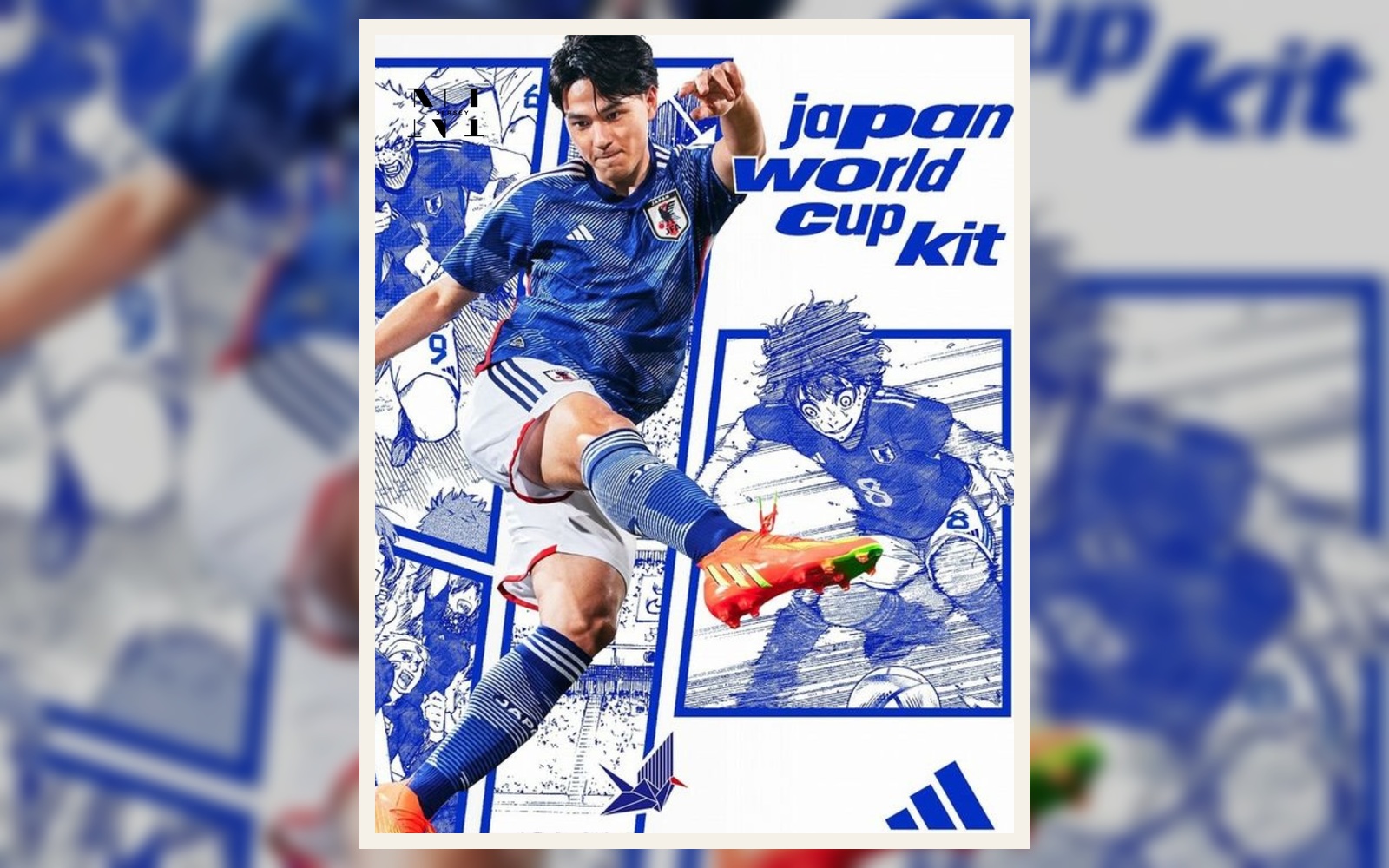
Why blue is home — and white often becomes away
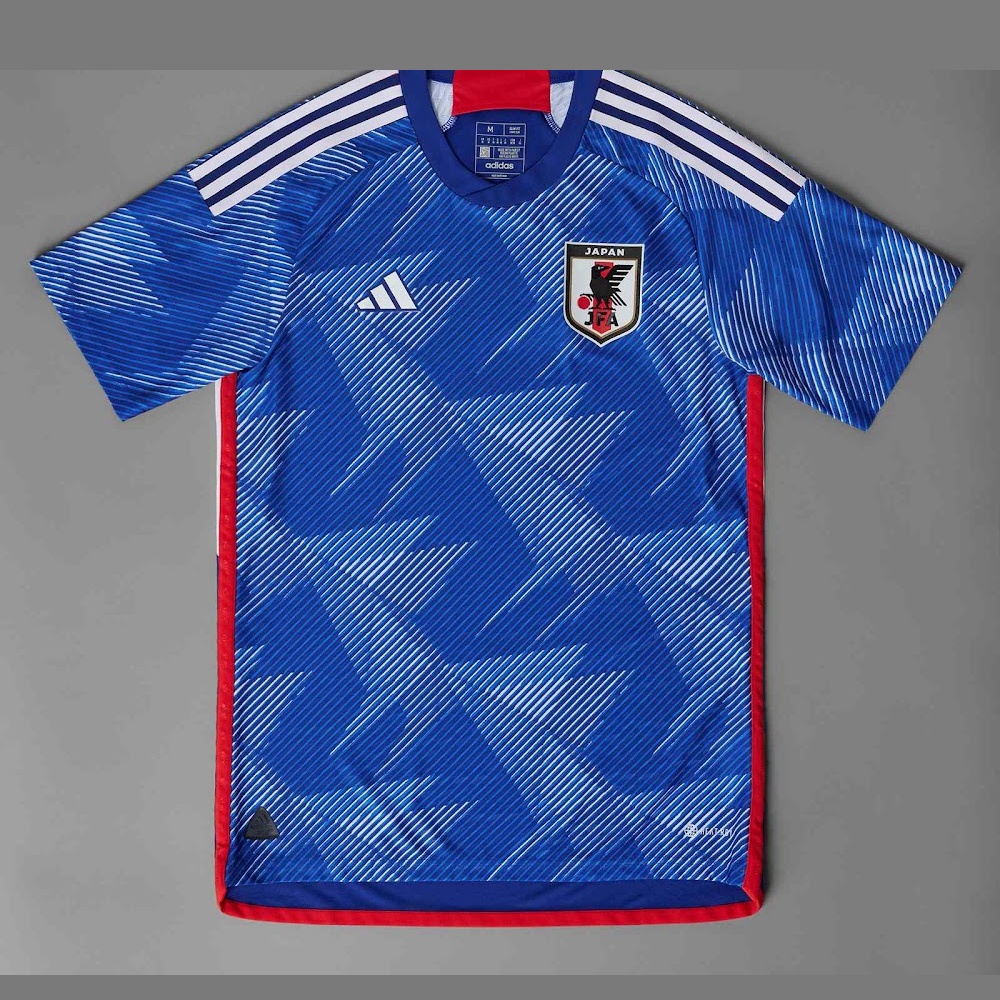
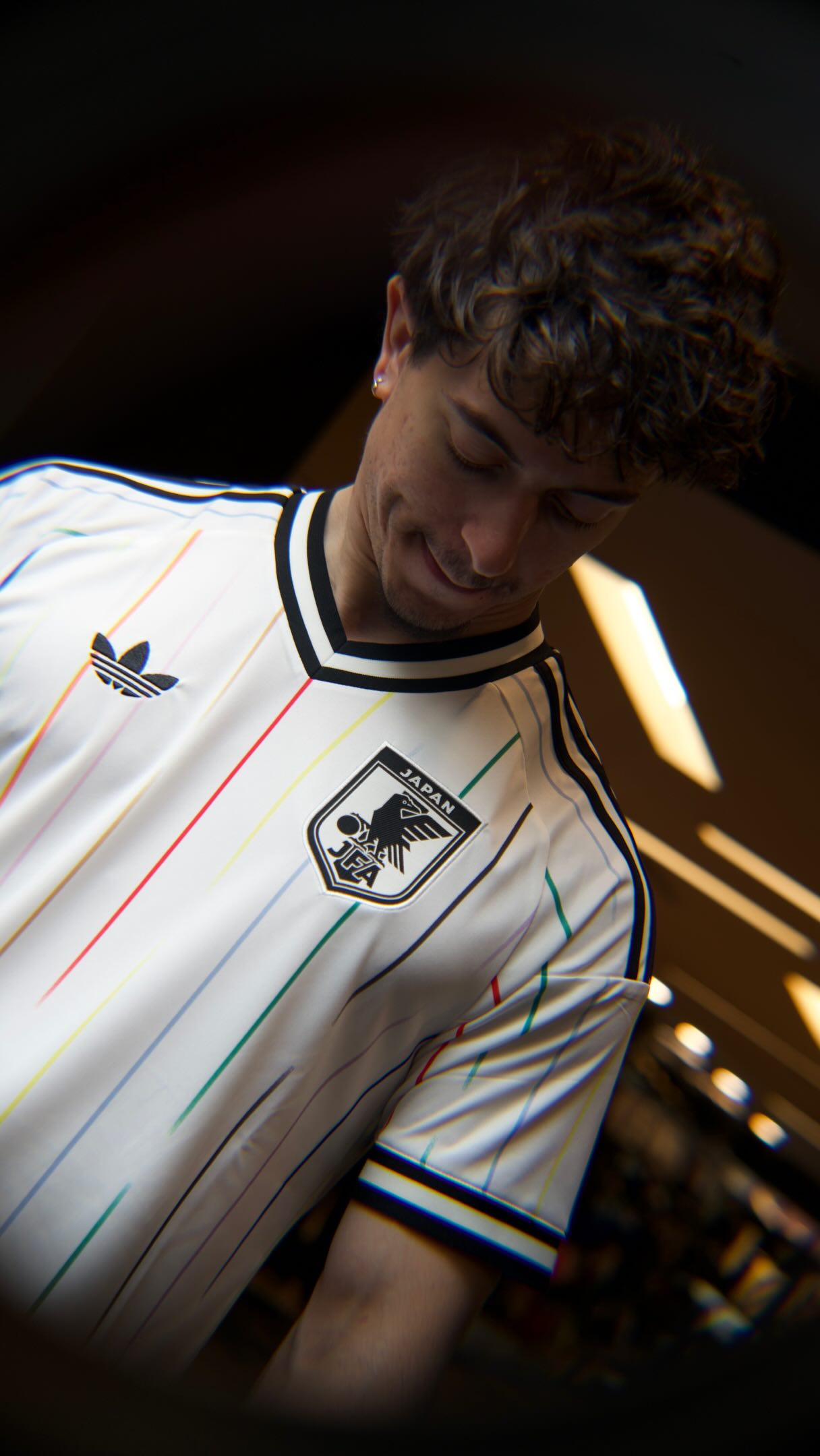
For Japan, blue usually carries the home identity because it is the color fans recognize as Samurai Blue. White often appears on away shirts because it creates a clean contrast against that home blue, not because it has replaced blue as the football identity.
The 2022 World Cup away shirt shows the logic clearly. It was mainly white, but the navy trim and blue-red sleeve graphics still pulled the design back toward the home story. In Japan’s kit language, blue carries identity, white gives contrast, and red returns as a national accent rather than the main football color.
World Cup nights gave the color weight
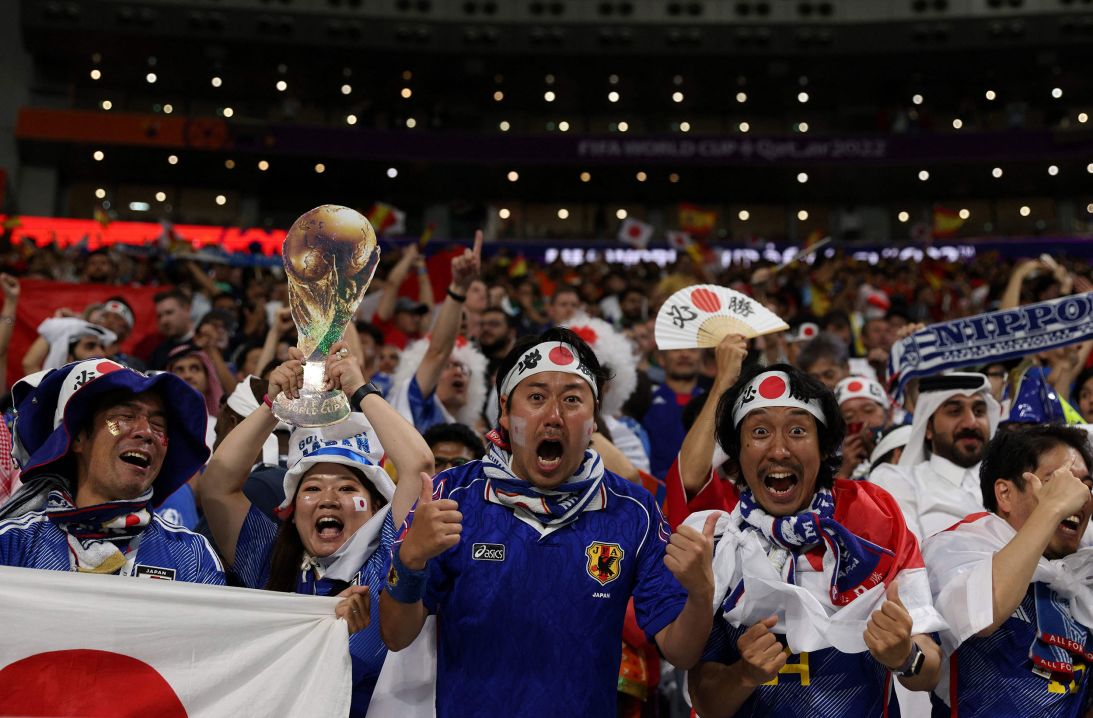
A shirt can look good in a product photo and still vanish after one season. It lasts when fans tie it to a match. Japan’s wins over Germany and Spain in 2022 did that for a modern generation. The blue shirt stopped being just a design and became a memory trigger.
The shirt matters because the match gave the color a memory.
The shirt remembers more than the flag
Japan Blue works because it does not need to explain itself through the flag alone. It explains itself through football. The color carries a national-team archive: first World Cup appearances, home-tournament memories, modern tactical identity, and the feeling that Japan can trouble anyone on the right night.
For fans, that makes the shirt easy to wear beyond matchday. It feels national without looking costume-like, recognizable without trying too hard, and attached to a football story that is still paying out.