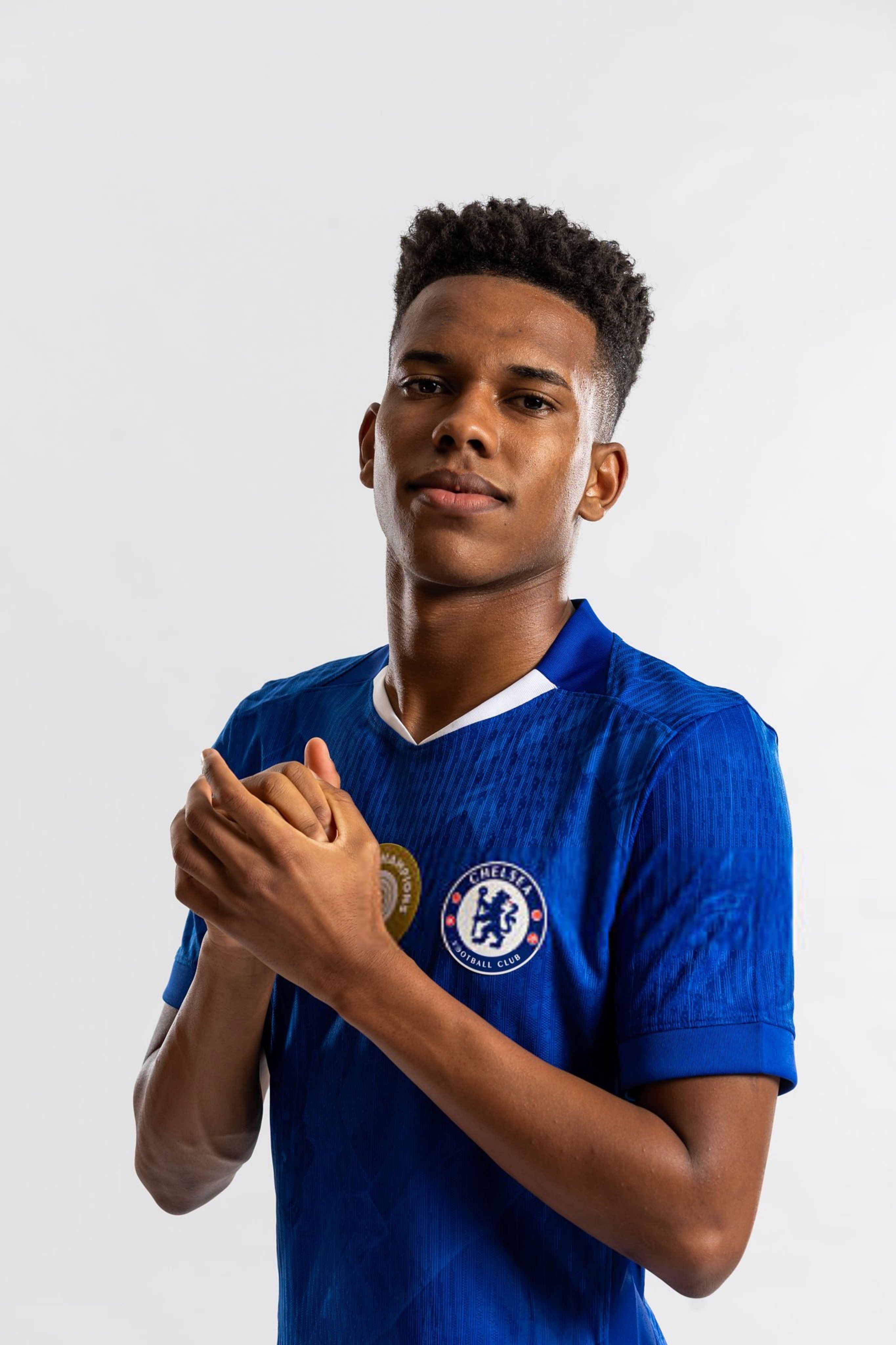
Estêvão Willian is one of the most watched young attackers in Brazil, but the real story in May 2026 is no longer about anticipation. He already left Palmeiras. He already arrived at Cobham. He already started the Chelsea part of his career. What changed the tone was not the transfer. It was the injury that interrupted the rhythm just as the wider football audience was ready to judge him in the present tense.
The “Messinho” label explains why people notice him quickly. It does not explain the full profile, and it definitely does not explain the version of the story Chelsea and Brazil are dealing with now.
Why the “Messinho” nickname stuck
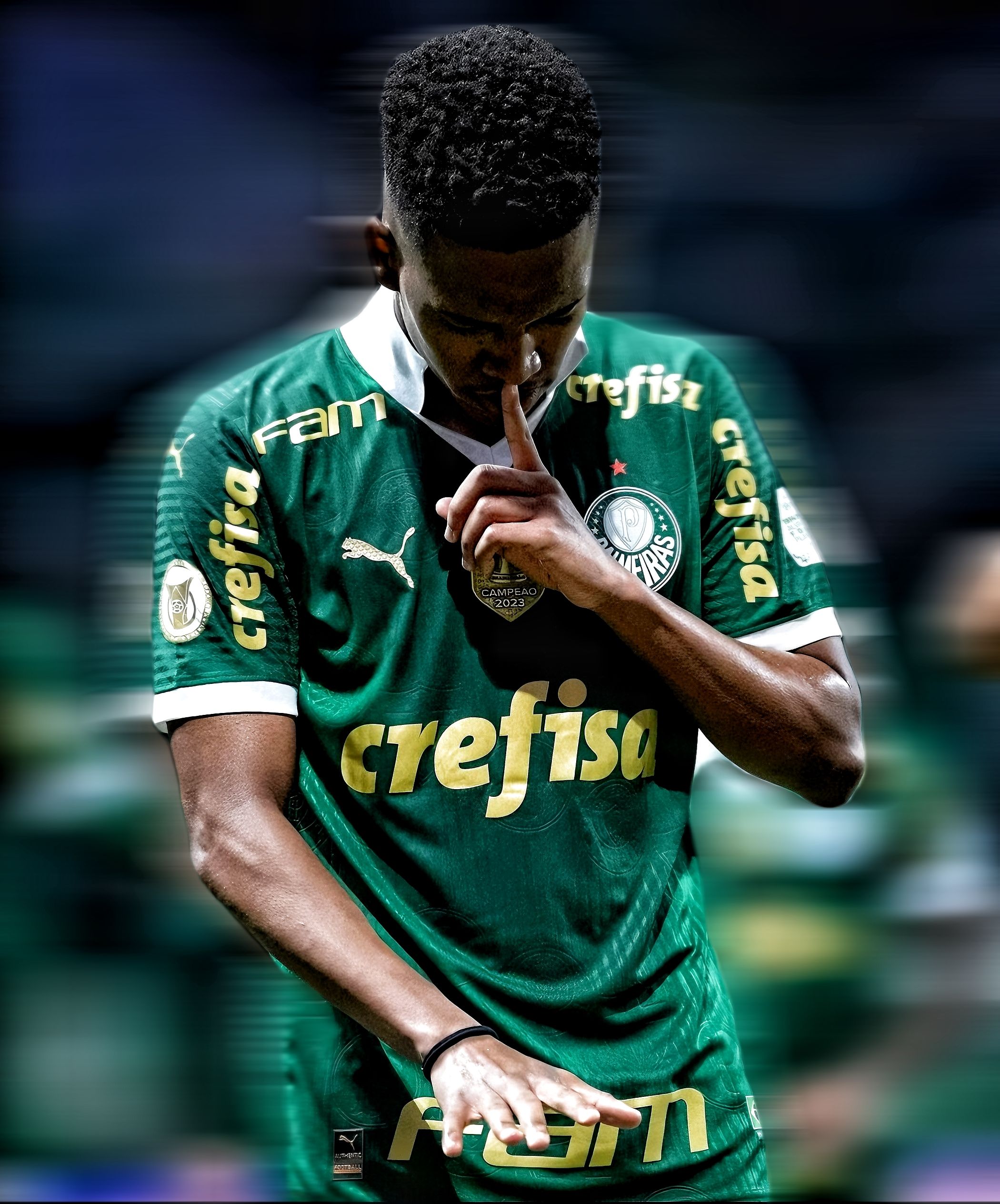
“Messinho” means “little Messi,” but it should be understood as a visual shorthand, not a verdict on career level. The comparison usually comes from the easiest things to see: a left foot, a low centre of gravity, right-sided ball carrying, inside dribbles, and the willingness to attack defenders one-v-one.
That kind of nickname helps casual fans place a player in seconds. It also flattens the conversation. Estêvão does not need Lionel Messi's shadow to be interesting. The real test in 2026 is whether his style keeps holding up once every touch is judged against top-level expectations instead of prospect hype.
The nickname still tells you how he looks. The real 2026 question is what level of player he already is, what the injury delays, and how much of the Chelsea and Brazil conversation survives once the noise gives way to minutes and evidence.
The achievements are already real

This is where the story gets serious. Estêvão is not interesting only because of clips or nickname culture. Palmeiras did not push just another stylish academy dribbler into the feed. He became part of a real first-team conversation at one of Brazil's biggest clubs, and that part of the story no longer needs selling.
Brazil never runs short on exciting young attackers. The shortage is in the group that turns excitement into senior trust. At Palmeiras, the conversation around Estêvão moved beyond “watch this kid” and into something heavier: expectation, responsibility, and transfer economics that already looked real before Chelsea ever had to think about managing his recovery.
That is the first reason Chelsea invested early. The second is profile fit. A young left-footed right winger who wants isolation touches and already believes he can decide actions is exactly the kind of profile elite clubs try to secure before the wider market fully catches up. By 2026, the question is no longer whether Chelsea were willing to pay for the talent. They already did. The question is more practical: when he comes back, how many minutes can his body handle, and how quickly can flashes turn into reliable Premier League performances?
Why fans are paying attention
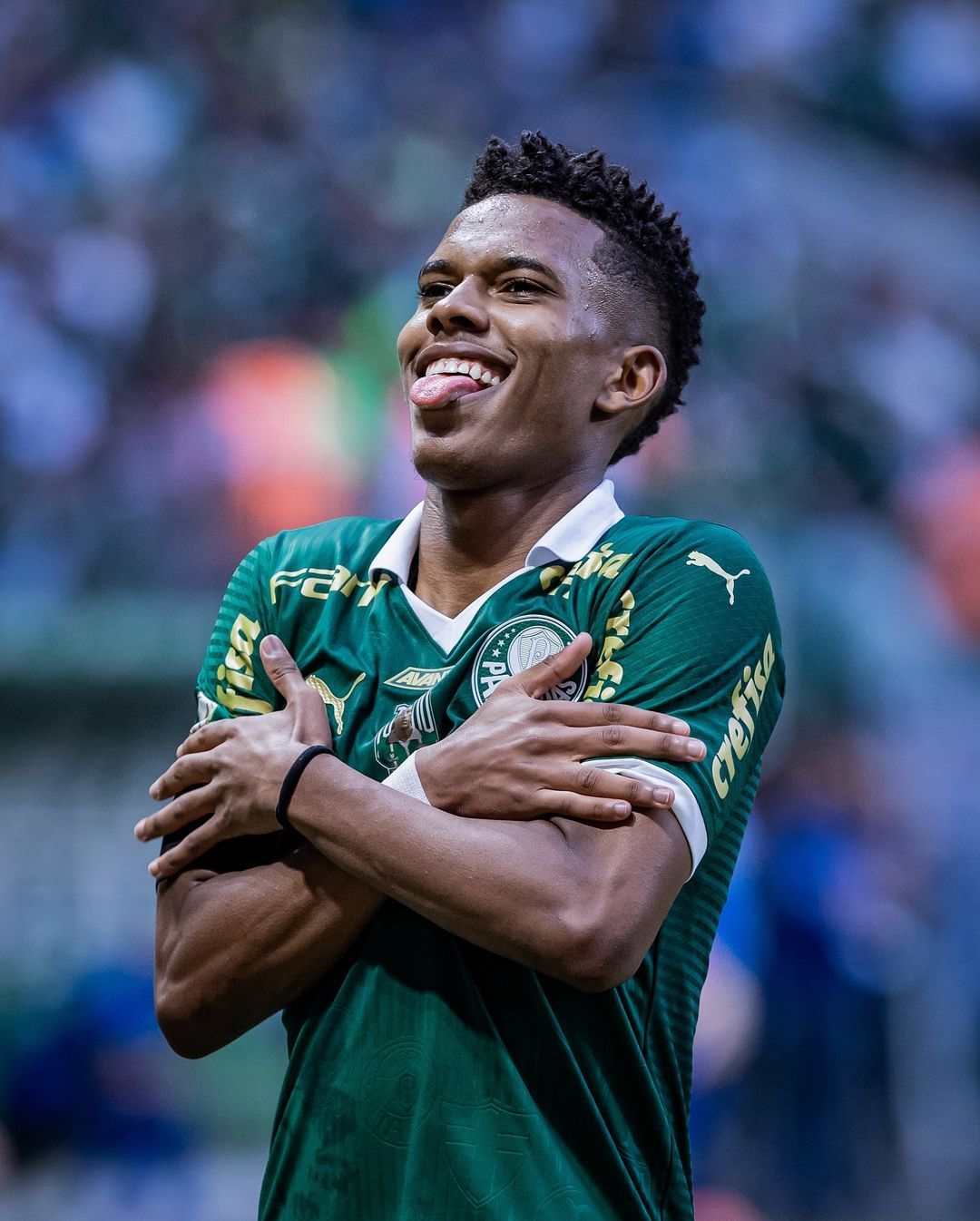
Fans are still paying attention because Estêvão sits in the part of football where attention gets expensive fast: obvious ability, a recognisable style, and a story that still feels unfinished. What looked like a clean launch year became a stop-start one.
The talent is easy to see: he receives on the half-turn, carries quickly onto his left foot, and looks comfortable attacking a full-back before the defence is set. Brazil entered 2026 looking for the next attacking face of the cycle, and the injury changed that rhythm too. Instead of building toward a louder World Cup summer, his year turned into a recovery story with a different kind of pressure.
That is also why he matters to shirt culture. Some players are watched mostly by scouts and data people. Others pull in a wider orbit: club fans, national-team watchers, collectors, early adopters, and the people who want the shirt before the story feels settled.
Estêvão already feels like that kind of name. Not a finished star, not a solved case, but already the sort of player whose Chelsea shirt, Brazil relevance, and No.41 identity stay interesting because the story now lives in the hard part, not the announcement stage.
What Chelsea actually have now

Chelsea already know the obvious part: the talent is real. The harder part is the part injuries always expose. How quickly does he settle? How carefully do they manage the body? How much of the early excitement returns once he is back in a normal season rhythm?
That does not mean Estêvão has to stop being himself. It means Chelsea now need the next version of his game, not just the most exciting one. The question is not whether he can beat players. It is when to dribble, when to release early, when to protect possession, and how quickly style turns into repeatable top-level output.
This is why the Chelsea phase matters more than the nickname ever could. The arrival is done. What comes next is less glamorous and more useful as a test: recovery, managed minutes, adaptation, and whether the talent still looks as serious once the easy mythology falls away.
What his shirt means now
Estêvão’s shirt is not a trophy shirt yet. It is an early-believer shirt. Some fans buy names after the proof is complete. Others buy them when the story is still being shaped. That is where Estêvão sits now: between hype and recovery, between Brazil expectation and Chelsea patience.
For collectors, that changes the buying logic. A Chelsea No.41 shirt or a Brazil shirt linked to this generation is less about celebrating a finished legend and more about backing the story before it becomes obvious. If that is your instinct, this is the phase where the shirt still feels like a read, not a souvenir.