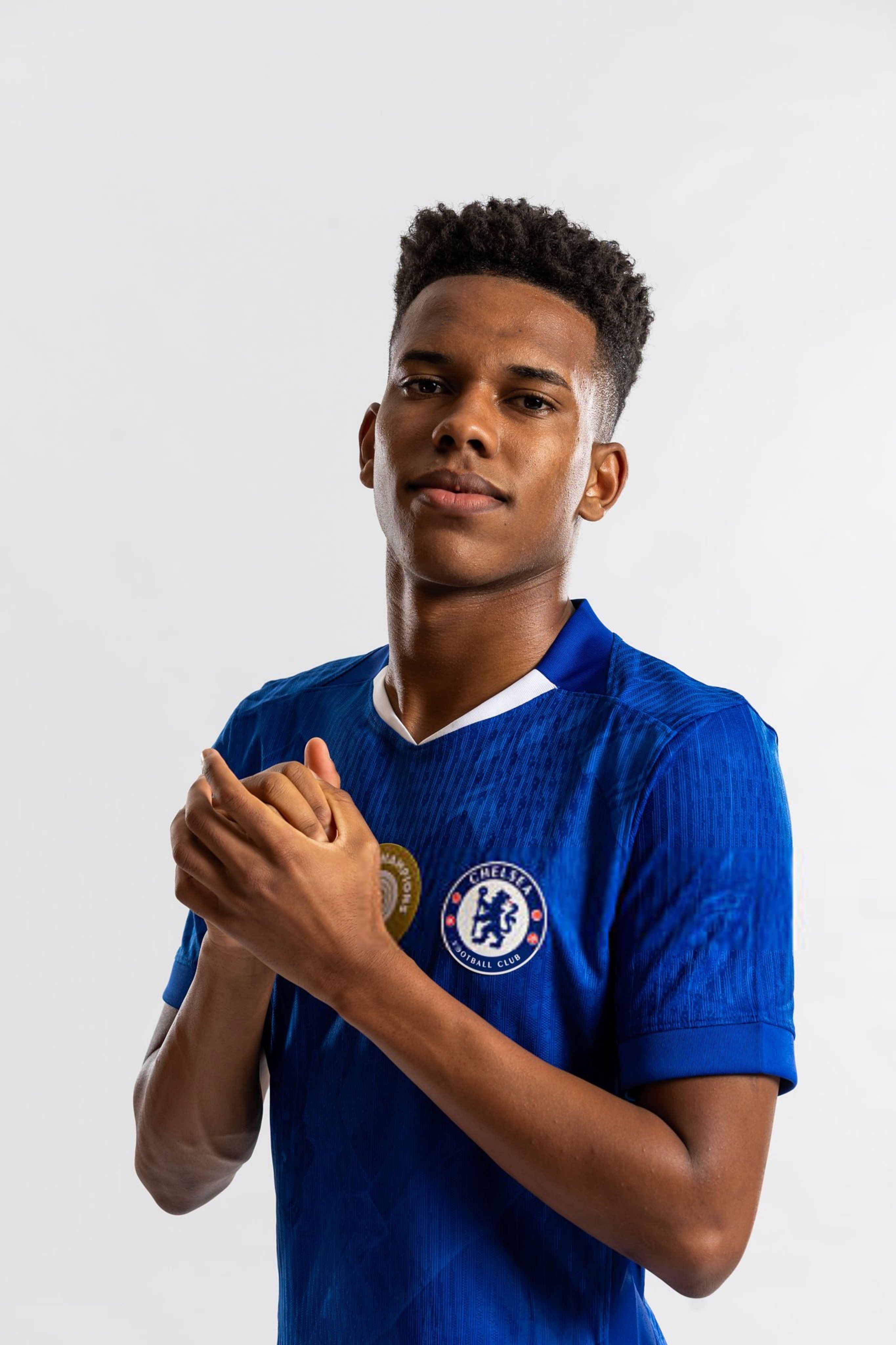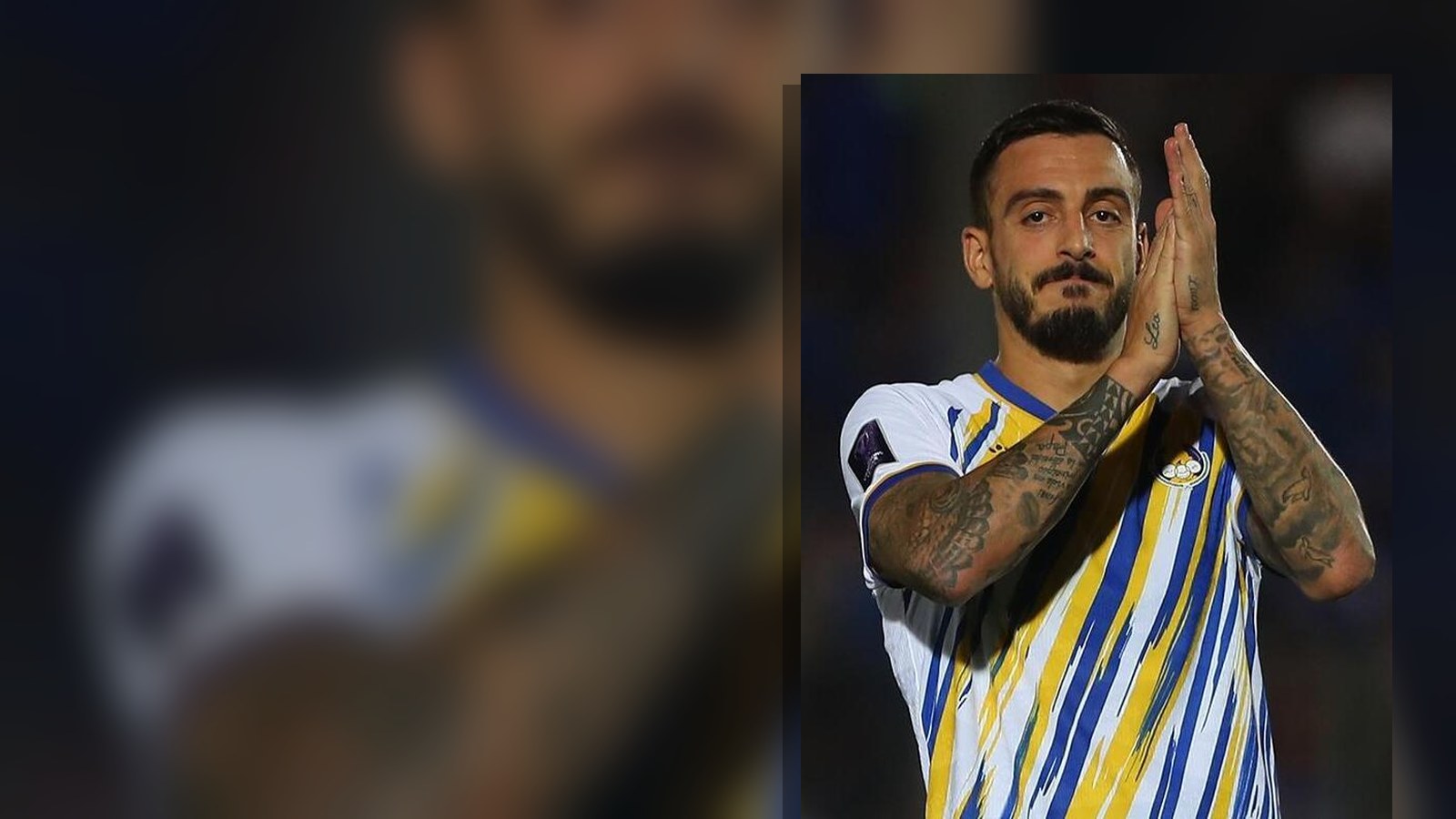
May 8, 2024, the Bernabéu. Real Madrid were trailing Bayern Munich 1-0 late in the Champions League semi-final second leg. It had reached the kind of minute when even Madrid supporters start looking at the clock instead of the ball.
Joselu was already on the pitch. He was not the biggest name, not the youngest body, and not the face of the season. He was the substitute centre-forward, the option a coach reaches for when a match stops listening to the original plan.
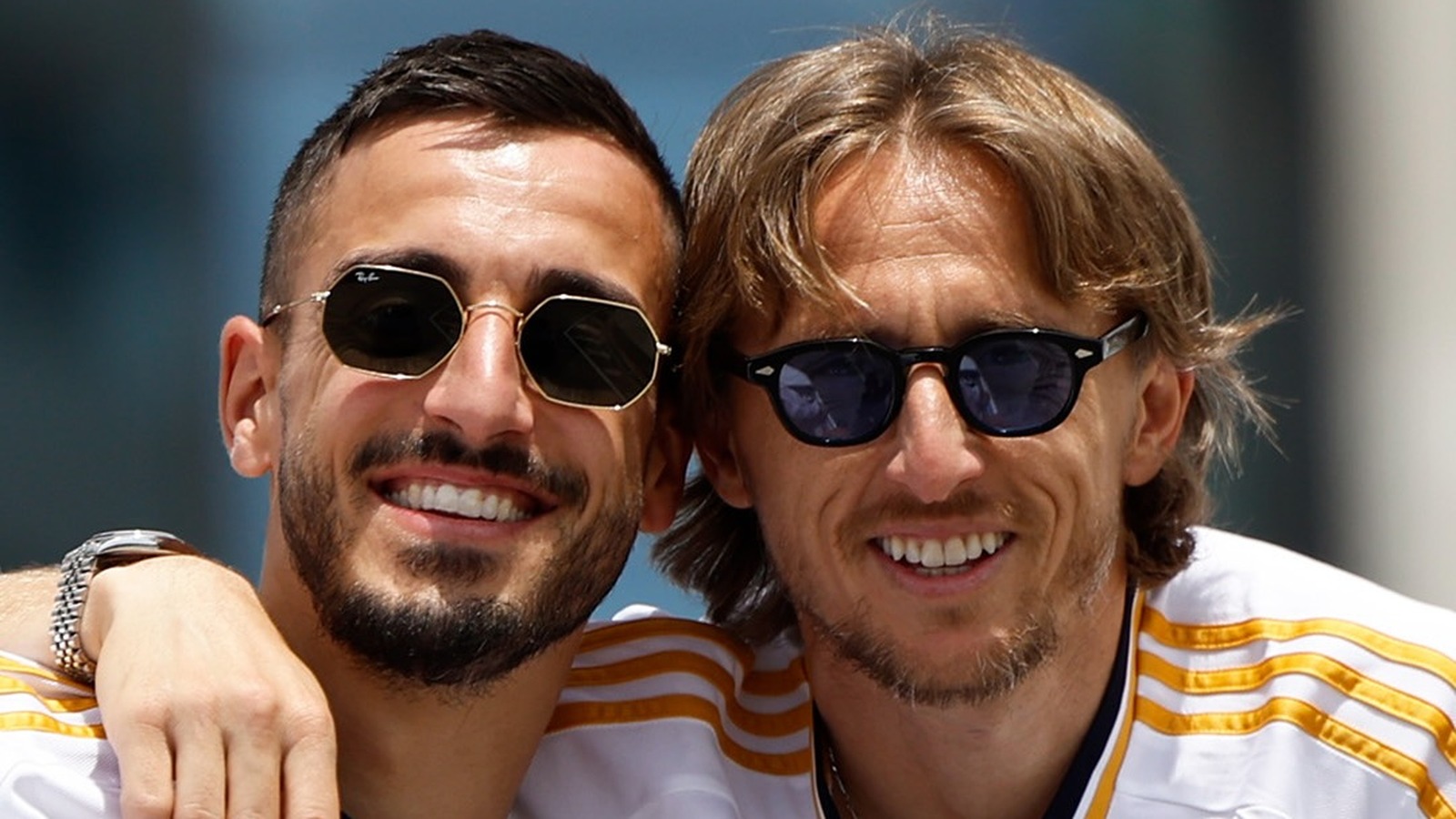
Two touches that changed the night
Then Manuel Neuer spilled a shot. Joselu moved first, arrived at the loose ball, and finished. A few minutes later, Antonio Rüdiger drove a pass across the six-yard box. Joselu was there again. Real Madrid 2, Bayern 1. Madrid were in the final.
This was not a wonderkid arrival story. Joselu was 34. He had waited thirteen years for that night.KitFlows Editorial
His first Real Madrid goal came from Cristiano Ronaldo
Joselu had already worn the Madrid shirt once before. In May 2011, he came on against Almería, received an assist from Cristiano Ronaldo, and scored for the first team. On paper, it looked like the beginning of a fairytale.
Real football rarely moves that cleanly. He left Madrid, worked in Germany and England, returned to Spain, and built a career across clubs like Hoffenheim, Frankfurt, Hannover, Stoke, Newcastle, Alavés, and Espanyol. It was not a superstar route. It was a working striker’s route.
The years nobody puts in the highlights
The Bayern goals were not random. After difficult Premier League stretches, Joselu rebuilt himself in La Liga. At Alavés and Espanyol, he became the kind of penalty-box striker managers trust: first contact, body position, rebounds, crosses, and the patience to wait for one good chance.
In 2022-23, he scored 16 La Liga goals for Espanyol and won the Zarra Trophy as the top Spanish scorer in the league. He was 33. Madrid did not bring him back only for nostalgia. He could still do the job.
Back to Madrid as a patch, not a headline
When Real Madrid loaned him back in 2023, he was not treated as the answer to everything. He was a cost-controlled, role-clear centre-forward after Karim Benzema’s exit: someone who knew La Liga, accepted the role, and could change the box when needed.
That role is hard. Young players get to talk about development. Stars get to ask for the system. A player like Joselu has to wait, accept limited minutes, and stay sharp enough to finish when the one useful moment finally arrives.
Why this story lands with adults
Joselu will not be the biggest name in Real Madrid history. Madrid have Cristiano, Benzema, Modrić, Ramos, Bellingham, Vinícius, and many others. His story has a different kind of force.
It does not pretend everyone becomes the main character. It says something more realistic: plenty of careers are built in the background, in the patch role, in the space between useful and celebrated. That does not mean those careers never get a night of their own.