Football Jersey Guide
Retro Football Shirt Buying Guide: What to Check Before You Buy
What to check before buying a retro football shirt. Covers fabric, badges, sizing, reproductions, and condition grading for classic jerseys.
The short answer
What to check before buying a retro football shirt. Covers fabric, badges, sizing, reproductions, and condition grading for classic jerseys.
- Retro shirts run smaller than modern jerseys — check actual measurements.
- Original badges and sponsors are the biggest value drivers.
- Learn to spot reproductions: check fabric weight, label details, and stitching.
- Condition matters more than age for wearability.
- Reissues are the best option for wearing; originals for collecting.
Key Takeaways
- Retro shirts often run smaller than modern jerseys — always check measurements, not just the label size.
- Original badges and sponsors are the biggest value drivers for collector-grade shirts.
- Reproduction jerseys are common — learn to spot the differences in fabric, stitching, and label details.
- Condition matters more than age for wearability. A well-kept 90s shirt wears better than a damaged 2020s one.
- Some retro shirts are reissued by brands — these are not originals but are usually higher quality than reproductions.
What Makes a Shirt Retro?
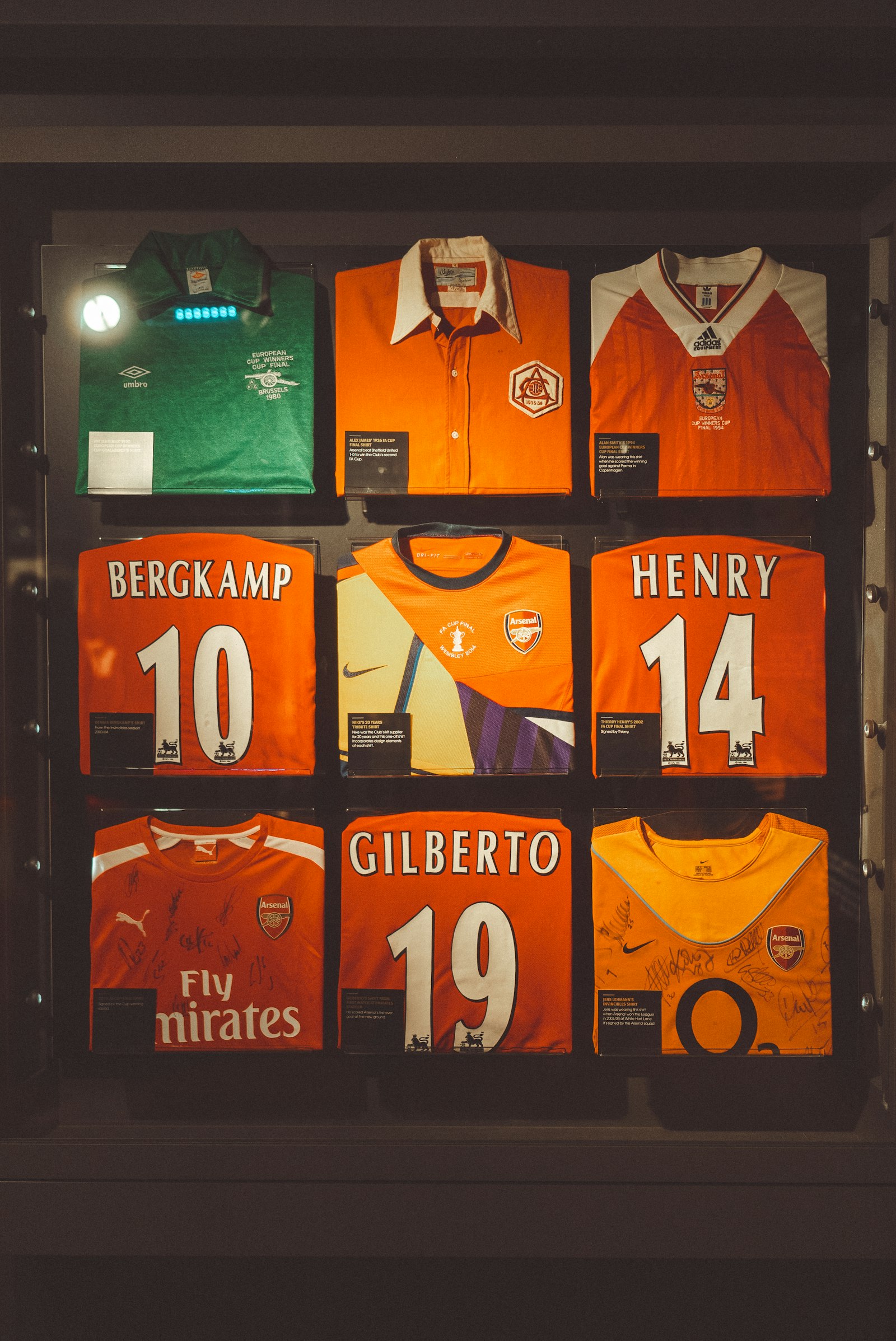
There is no official definition, but most collectors consider a shirt retro if it is from a discontinued season or era. The most popular periods are the 1990s (bold patterns, baggy fits), early 2000s (sleeker designs, first synthetic fabrics), and 2010s (modern tailoring, performance materials).
Retro shirts carry nostalgia. A 1998 France World Cup shirt or a 1999 Manchester United treble shirt is not just clothing — it is a piece of football history. This emotional value is what drives the market.
Checking Fabric and Material
Original retro shirts from the 1990s and earlier are usually heavier polyester or cotton blends. Modern reproductions tend to use lighter, smoother fabric. If you are buying online, ask the seller for close-up photos of the fabric texture.
Key signs of an original: slightly uneven weave in older polyester, heavier feel, and sometimes a distinct smell from age. Reproductions often feel too smooth, too light, or too new for the era they claim to represent.
Badge, Sponsor, and Label Details
Original club badges on retro shirts are usually embroidered or heat-pressed with specific detail levels that changed over the years. A 1990s AC Milan badge has different stitching density than a 2020s version.
Sponsor logos follow the same rule. The Opel logo on a 1999 Manchester United shirt has specific proportions and placement that reproductions often get wrong. Compare against match photos from the era when possible.
Labels inside the shirt — manufacturer tags, size labels, and care instructions — are the hardest thing for reproductions to fake accurately. If the label looks too modern for the era, the shirt is likely a reproduction.
Sizing Differences Between Eras
Football shirt sizing has changed significantly over the decades. A 1990s Large often fits like a modern Medium or even Small. The cuts were baggier, the shoulders wider, and the length longer.
Always check the actual garment measurements rather than relying on the size label. Measure a shirt you already own and compare. For retro shirts, chest width and total length are the two most important measurements.
Condition Grading
Retro shirt condition is usually graded as: Deadstock (unworn, with tags), Excellent (worn but no visible wear), Good (light wear, minor fading), Fair (visible wear, some damage), and Poor (significant damage, for display only).
For wearing, aim for Good or better. For collecting, Excellent or Deadstock. The condition affects both wearability and resale value significantly.
Originals vs Reissues vs Reproductions
Originals are shirts from the actual season they represent. Reissues are official releases by the manufacturer — Nike, Adidas, Puma — that recreate classic designs with modern materials. Reproductions are unofficial copies, usually made by third-party factories.
Reissues are the best option for wearing: they combine classic designs with modern fit and fabric quality. Originals are best for collecting. Reproductions vary wildly in quality and are usually not worth the savings.
Where to Buy Retro Shirts
Specialty retro shops, collector marketplaces, and official club reissue programs are the most reliable sources. General marketplaces like eBay require more careful vetting — always check seller ratings, ask for detailed photos, and compare against known authentic examples.
KitFlows curates retro football shirts from trusted sources. Each listing includes era, condition, and sizing details to help you make an informed choice.
Shop from this guide
Find a classic shirt
Browse retro football shirts sorted by era, team, and condition.
Frequently asked questions
How do I know if a retro shirt is original?
Check the fabric weight, label details, badge stitching, and compare against match photos from the era. Originals from the 90s have heavier polyester and slightly uneven weave. Reproductions are usually too smooth and too light.
Are reissues worth buying?
Yes, reissues are the best option for wearing. They combine classic designs with modern fit and fabric quality. They are officially licensed and usually have better construction than reproductions.
What size should I buy in a retro shirt?
Always check actual garment measurements. Retro shirts, especially from the 90s, run significantly smaller than modern jerseys. Compare the chest width and length against a shirt you already own.